From Trash to Earth: What Really Happens to a Compostable Bag After You Toss It
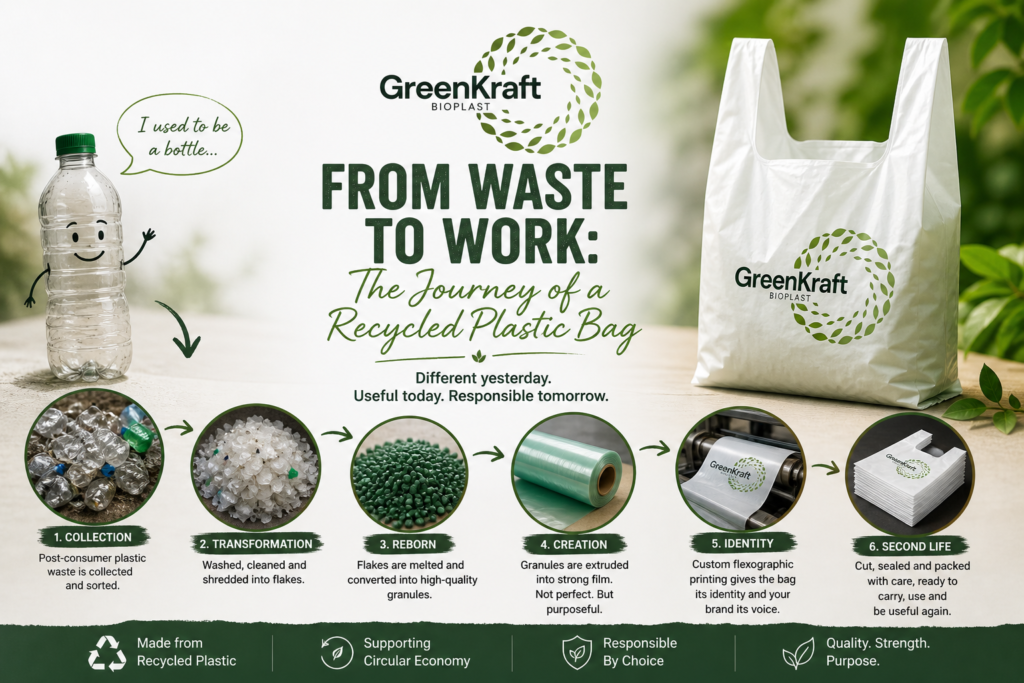
From Waste to Work: The Journey of a Recycled Plastic Bag
May
I wasn’t always a bag.
I started out as a clear plastic water bottle. Picked up in a hurry from a busy store shelf, used in minutes, set down somewhere and forgotten just as quickly.
Then I was thrown away.
For a while, that was the whole story. Used once. Discarded. Done.
Where the journey restarts
Except I didn’t disappear.
I was picked up, sorted, and moved along with thousands of others like me. Bottles, wrappers, scraps of plastic from homes and shops and factories. All of it sitting together, waiting. Not for nothing. For something else.
That something else turned out to be a second life.
The part that changed everything
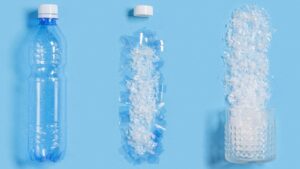
First came the cleaning. Properly done, not just rinsed. Every label, every layer of grime, everything I had collected over my previous life was washed away. Then I was broken down into small pieces. Flakes, really. It felt like losing the shape I had always known.
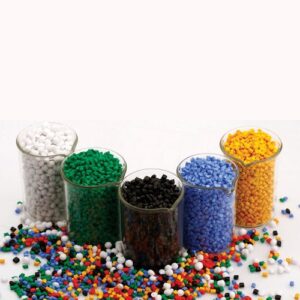
Those flakes were melted down under heat and pressure and movement until I was no longer a bottle or even plastic in the way I had understood it. I became granules. Tiny, uniform, unrecognizable from what I had been.
A raw material again. Ready to become something entirely different.
Taking shape again
From those granules, I was melted once more and pulled into a thin continuous film. Long, almost weightless at first glance. Stronger than I looked.
Not identical to something made from completely fresh material. I carry a past with me. There are slight variations that come with that. But I was made carefully, built to do exactly what was needed of me.
And that turned out to be enough.
Getting an identity
Then came the part where I stopped being just material.
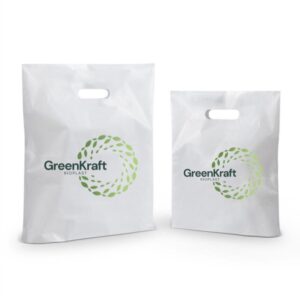
Rollers moved over me, smooth and precise, laying down colour and shape and words. A name. A logo. A purpose. What had been plain film became something that belonged to a brand. Something that would be seen and carried and noticed.
That process is called flexographic printing. From where I was sitting, it felt more like being given a reason to exist.
The second life
And just like that, I became a bag.
Folded. Sealed. Packed. Sent out into the world.
The next time someone picked me up, I wasn’t something to be thrown away. I was carrying their groceries home, or their clothes from a shop, or something small that mattered to them. Sometimes I got used more than once. Folded up and kept, brought out again.
That is the thing about being recycled. It was never about being perfect. It was about being useful again.
More than just a bag
People tend to see a bag and think it is simple. Unremarkable. Disposable.
But I have already lived more than one life before this one.
From a discarded bottle to something functional and branded and purposeful, I went through a process that most people never think about when they pick up their shopping. That process is what the circular economy in packaging actually looks like. Not as a concept on a slide somewhere. As an everyday, ordinary thing happening in factories and sorting facilities and printing rooms.
It is not about eliminating plastic overnight. Nobody serious is claiming that. It is about using what already exists more responsibly and more completely before reaching for something new.
A quiet shift worth paying attention to
Something is changing in how businesses think about their packaging. Not dramatically, not all at once. But the questions are different now.
Where does this come from? Can it be sourced more responsibly? Can it still perform the way we need it to?
Recycled packaging answers some of those questions. Not perfectly, not with the finish of virgin material, but honestly. And for a growing number of businesses, honest and functional turns out to be exactly what they were looking for.
One last thought
I may look like just another bag in someone’s hand right now.
But not long ago I was something else entirely, sitting in a pile somewhere waiting to be written off.
Maybe that is the point. Not everything needs to be brand new to be worth something.
Sometimes it just needs another chance.
FAQs
For most everyday applications, yes. The strength is more than adequate for carry bags, shopping bags, garbage bags and general packaging use. Where virgin plastic has an edge is in applications that demand absolute uniformity and maximum tensile strength, like export packaging or high speed industrial lines. For the vast majority of businesses, recycled material holds up exactly as needed.
There can be slight variations in finish compared to virgin material, particularly in colour consistency. However with quality manufacturing and proper processing those differences are minimal and rarely visible to an end customer. With good flexographic printing on top, the final product looks sharp and intentional regardless of what the base material started as.
Yes. The washing and processing stages that raw post consumer plastic goes through before it becomes usable material are thorough. By the time it has been cleaned, broken down, melted and reformed into granules, it bears no meaningful resemblance to the waste it came from. The output is a clean, workable raw material.
Every bag made from recycled material is one less instance of new plastic being produced from scratch and one less piece of plastic sitting in a landfill or waterway going nowhere. It does not solve everything, but it closes a loop that would otherwise stay open. Using plastic that already exists, rather than creating more, is a genuinely meaningful step even if it is not the final destination.
More than you might expect. Consumer awareness around packaging choices has grown considerably in the last few years, particularly among younger buyers. Many businesses find that mentioning recycled packaging on their bags or in their brand communication is received positively. And the ones who say nothing still benefit from knowing their supply chain is a little more responsible than it was before.