
From Trash to Earth: What Really Happens to a Compostable Bag After You Toss It
Dal in the Ice Cream Tub. Sabzi in the Mithai Box. Welcome to Indian Sustainability.
Jun
The Ice Cream Tub Was Never Just an Ice Cream Tub
There is a rule in Indian households that nobody wrote down but everybody follows.
Nothing gets thrown away if it can still be useful. And somehow, almost everything can still be useful.
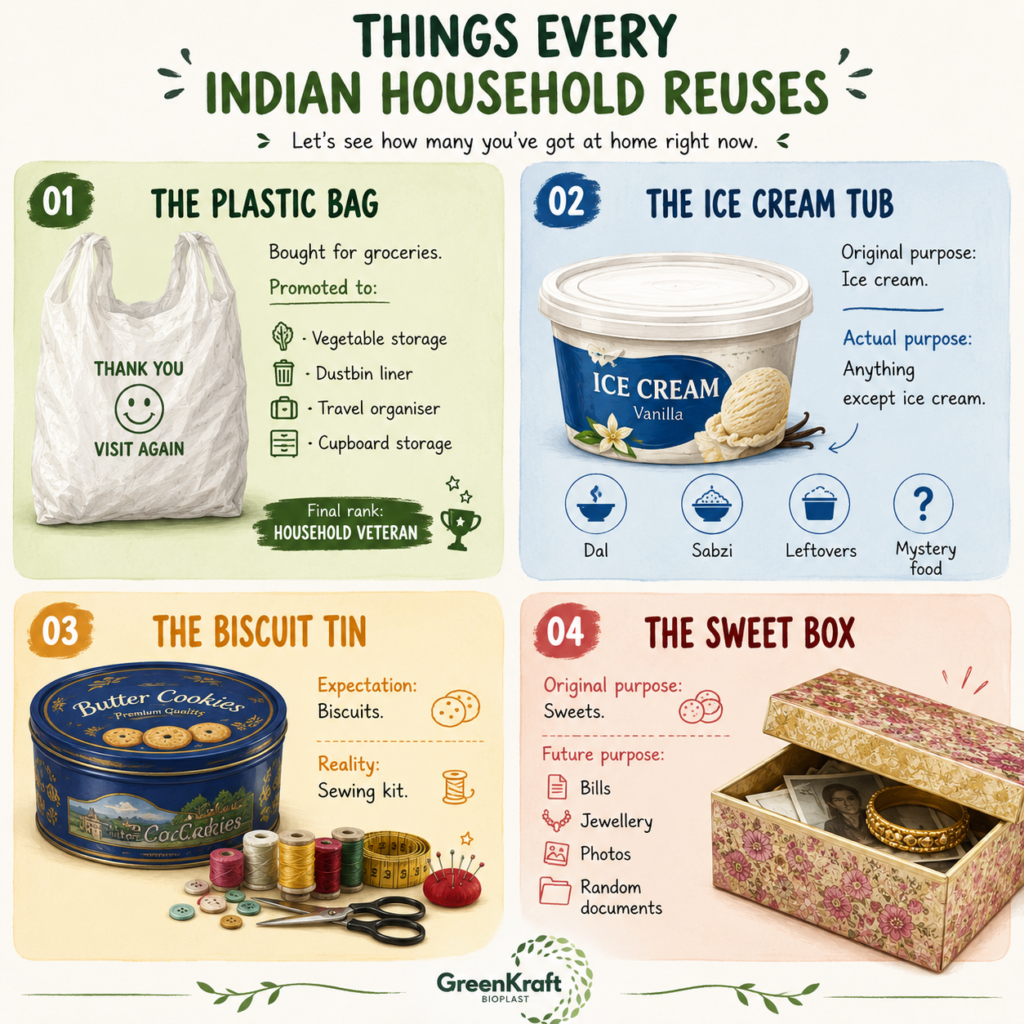
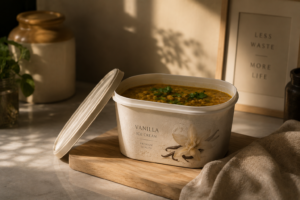
The ice cream tub is perhaps the most iconic example. At some point in its life, usually within a week of the ice cream being finished, it quietly transitions into a dal container. Or a sabzi box. Or the home of that mysterious leftover from three Tuesdays ago that nobody made and nobody has the courage to throw away. The ice cream is long gone. The tub has a new job. Nobody discussed this. It just happened.
And that is just where it starts.
The Second Lives Nobody Planned
Walk through any Indian kitchen and you are essentially walking through a masterclass in informal material reuse.
The plastic bag from last week’s vegetables is now lining the dustbin. The biscuit tin from Diwali 2014 is a fully functioning sewing kit with thread in eight colours, mismatched buttons, and a safety pin that has been there since before anyone can remember. The mithai box from your cousin’s wedding is a document folder now. A very important document folder. The glass pickle jar did not leave when the pickle ran out. It just got reassigned. The old saree became a dusting cloth. The empty bottle became a rolling pin, a water carrier, and at least three other things depending on which room it migrated to.
Nobody planned any of this. No system, no strategy. Just a deeply practical understanding that throwing something away while it still had life in it was wasteful. And wasteful was simply not something most Indian households were willing to be.
An Old Idea With a New Name
The packaging industry loves certain words right now. Circular economy. Reuse. Extended product life. Responsible consumption. These phrases appear in sustainability reports and brand campaigns trying to signal that a business is thinking about the future.
Indian households have been living these ideas for generations without calling them anything at all.
It was never a philosophy. It was just Tuesday. A mother who could not bring herself to throw away a perfectly good container. A grandmother who kept every rubber band that came into the house. A family that understood without being told that resources have value beyond their first intended use.
This is exactly what the circular economy is trying to build at scale. The blueprint has been sitting in Indian kitchens for decades.
The Drawer
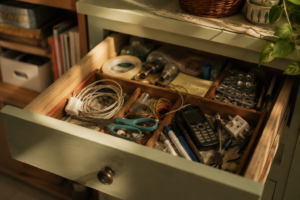
Every Indian home has one. You know exactly which drawer it is without thinking about it.
You open it looking for scissors and find a charger from 2009 that fits nothing anyone currently owns. Four rubber bands. A pen that has not worked since the last government changed. Something small and plastic you cannot identify but absolutely cannot throw away because it looks important. A key to something nobody knows what.
That drawer is not chaos. That drawer is a philosophy.
What the Packaging Industry Can Learn From This
There is a real conversation happening in packaging right now about what responsibility actually looks like. The honest answer is that most of the industry is still figuring it out. Recycling infrastructure in India is still developing. The gap between what a label says and what a package actually does at the end of its life is still significant.
But the instinct for reuse is already there. It has been there for generations. It does not need to be invented or imported or marketed. It just needs to be supported with better materials, better information, and manufacturers who are honest about what they make.
At GreenKraft Bioplast we manufacture recycled and virgin plastic packaging from Sachin GIDC, Surat, and we are going through proper certification for our compostable range because we think the difference between a responsible claim and a marketing claim matters. We also offer 6 colour ceramic plate flexographic printing for businesses that want their packaging to represent their brand as well as it protects their product.
The Tub Outlived the Ice Cream. That Is the Point.
The ice cream tub did not become a dal container because of a sustainability initiative. It became one because someone looked at it and thought, this is still useful.
That thought, small and ordinary as it sounds, is the foundation of everything the packaging industry is trying to build toward. A world where materials are used fully, thoughtfully, and for as long as they possibly can be.
Indian households have known this for a very long time. Maybe the rest of us are just catching up.
FAQ
A combination of cultural habit, practicality, and a long standing resistance to waste passed down through generations. The idea of discarding something that still had use in it simply did not make sense. That instinct has persisted even as economic conditions changed.
It depends on the container. Food grade plastic containers originally designed to hold food are generally safe to reuse for food storage. Containers that held cleaning products or chemicals should never be repurposed for food. When in doubt, use repurposed containers for non-food storage only.
Circular economy tries to keep materials in use for as long as possible rather than following a straight line from production to disposal. Giving an ice cream tub a second life as a storage container is a small scale version of exactly this idea. The formal circular economy tries to build systems that make this happen at industrial scale.
Yes, in real and measurable ways. Every product made from recycled plastic reduces demand for new plastic production and gives existing material another round of usefulness. It is not a complete solution but it is a genuine, working one businesses can act on right now.
Transparency about materials and certifications. Ask whether eco claims are backed by recognised third party standards. Ask whether printing is done in-house. A supplier who answers these questions clearly and honestly is worth considerably more than one with a good looking catalogue and vague claims.