From Trash to Earth: What Really Happens to a Compostable Bag After You Toss It
Green or Greenwashed? What Nobody Tells You About Eco-Friendly Packaging Claims
Apr
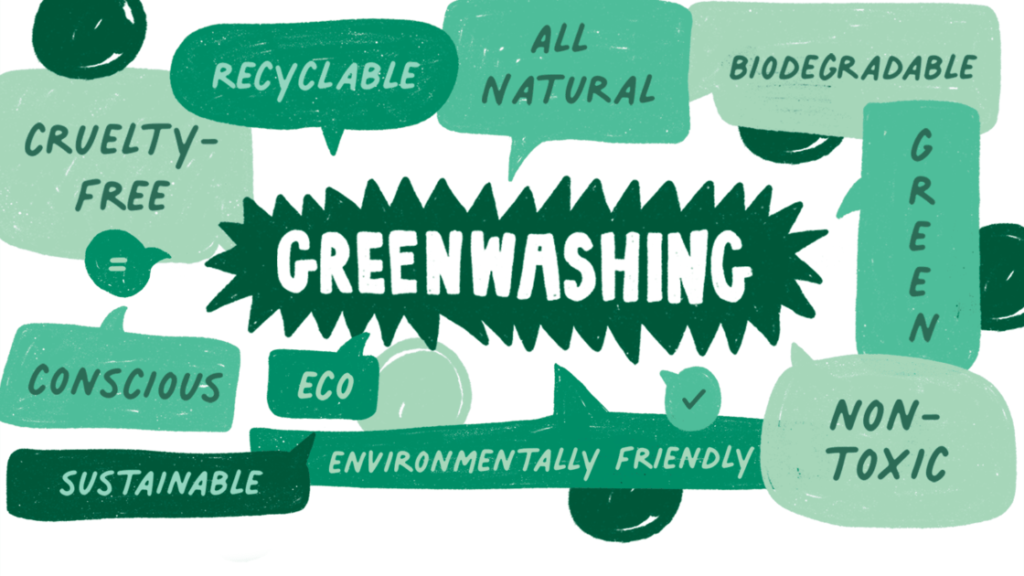
Walk into any supermarket and look at the bags, boxes, and wrappers around you.
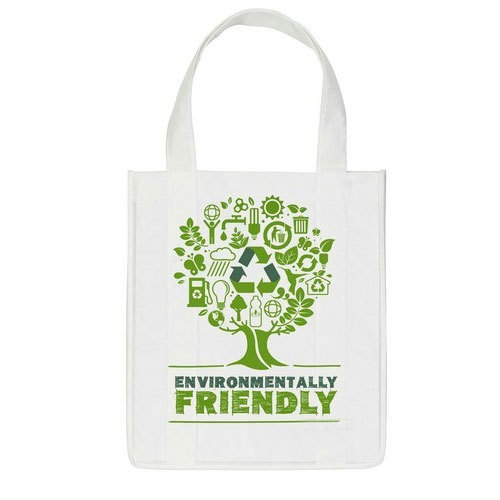
A lot of them say things like “eco-friendly”, “biodegradable”, or “good for the planet.”
But here’s the truth:
Most of the time, those words are just… words.
And in India, while rules exist, they are still evolving and not always strictly enforced.
Are words like “eco-friendly” or “green” even legal in India?
Yes — but only if you can prove them.
In 2024, the Central Consumer Protection Authority (CCPA) released guidelines to regulate misleading environmental claims:
https://pib.gov.in/PressReleaseIframePage.aspx?PRID=2064963
These guidelines clearly state:
- Terms like eco-friendly, green, sustainable must be backed by evidence
- Claims must not be vague or exaggerated
- Misleading claims can be treated as unfair trade practices
Under the Consumer Protection Act, 2019:
https://consumeraffairs.nic.in/sites/default/files/Consumer_Protection_Act_2019.pdf
Misleading environmental claims can attract penalties.
But here’s what’s happening in reality:
A study by the Advertising Standards Council of India found that around 79 percent of environmental or “green” claims made by companies were exaggerated or misleading.
This shows that greenwashing is not rare, but actually very common in the Indian market.
ASCI has also been actively issuing guidelines and taking action against brands making unverified eco-friendly claims to improve transparency.
In simple terms, most “green” claims you see are not fully reliable unless they are backed by proper proof or certification.
So yes, rules exist — but greenwashing is still very common.
The sneaky plastic trick you’ve probably never heard of
Here’s one that surprises most people. Some plastics are labelled “degradable” which sounds great, right? It’s breaking down!
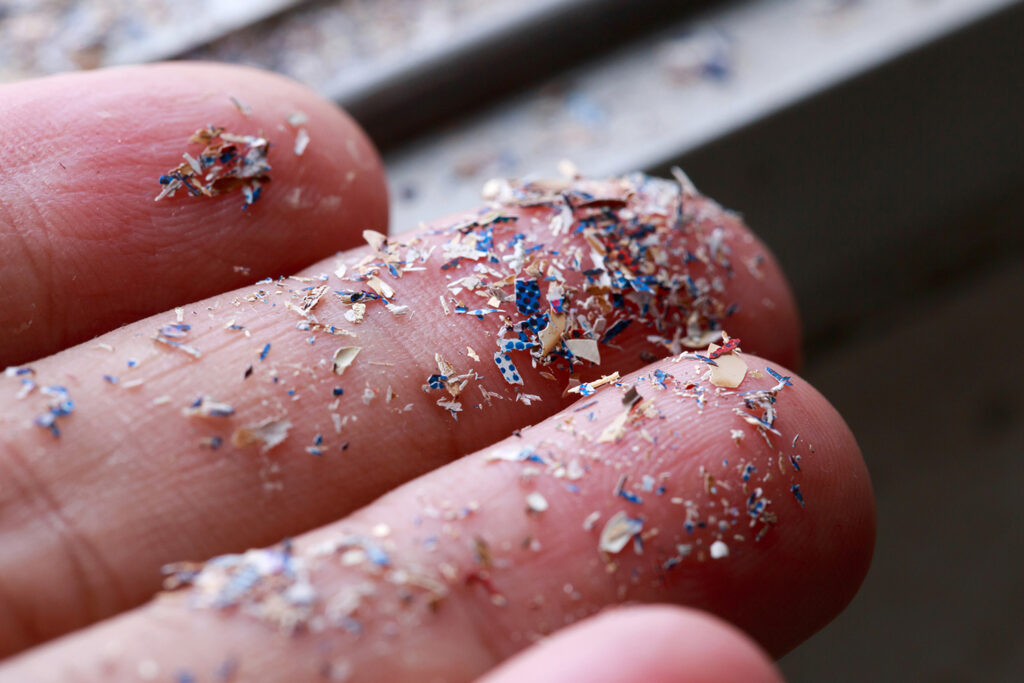
Except it doesn’t actually disappear. It just breaks into tinier and tinier pieces of plastic so small you can’t see them. These are called microplastics and they end up in soil, rivers, and even the food we eat. So “degradable” can actually mean “turns into invisible pollution.” Not quite what the label suggests.
Many of these are oxo-degradable plastics, which break into microplastics.
The European Commission confirmed this:
https://environment.ec.europa.eu/publications/oxo-degradable-plastics_en
Because of this, the EU banned oxo-degradable plastics:
https://environment.ec.europa.eu/topics/plastics/single-use-plastics_en
So “degradable” often means:
It turns into invisible plastic pollution.
Microplastics: The material that “never goes away”
What Indian law actually says
India regulates compostable plastics under the Plastic Waste Management Rules:
https://moef.gov.in/wp-content/uploads/2019/03/PWM-Rules-2016.pdf
Compostable plastics must:
- Meet IS/ISO 17088 standard
- Be certified by CPCB
- Be properly labelled
CPCB certification details:
https://cpcb.nic.in/compostable-plastics/
If a product claims compostability without certification, it is misleading.
What real eco-friendly packaging looks like
Real sustainability = proof.
Look for:
- IS/ISO 17088 (India standard)
- CPCB certification
- ASTM D6400
- EN 13432
Important clarification:
- BPI Certified = global compostability verification
https://bpiworld.org - But in India, CPCB approval is mandatory
One more thing people get wrong about composting
Even genuinely compostable packaging doesn’t all work the same way. Some types need a special industrial composting facility with very specific heat and conditions to break down properly. Others can break down in a regular home compost bin.
If a bag needs an industrial facility but ends up in your garden pile, it might just sit there doing nothing. So when a product says “compostable,” it’s worth asking. Compostable where, exactly?
A simple check before you believe any green claim
Next time you see an eco-label, ask three things:
Does it name a real certification? Or just say “eco-friendly”?
Does it explain how and where it breaks down?
Is the actual material mentioned by name?
If the answers are vague or missing entirely, it’s probably greenwashing.
Quick reference table
|
The claim |
The red flag |
The green flag |
|
Biodegradable |
No timeframe or proof |
ASTM D6400 / EN 13432 certified |
|
Earth-friendly |
Just a vague feeling |
Clear material info on the label |
|
Degradable |
Likely breaks into microplastics |
Certified compostable |
|
Compostable |
No certification shown |
BPI Certified / ISO 17088 |
|
Eco-friendly |
No explanation at all |
Full breakdown info provided |
At GreenKraft Bioplast, we think honesty matters more than pretty labels.
We are a packaging manufacturer based in Sachin GIDC, Surat, and we hear these questions from clients all the time. Right now we make recycled plastic packaging and we are going through the proper certification process for compostable products, because we would rather do it right than do it fast.
Real sustainability isn’t about what’s printed on the bag. It’s about what’s actually in it and what happens to it after.
Quick FAQ
Look for a recognised certification name on the packaging like ASTM D6400, EN 13432, IS/ISO 17088 or BPI Certified. If there’s no certification, the claim hasn’t been verified by anyone.
Biodegradable means it truly breaks down into natural, harmless matter. Degradable often just means it breaks into tiny pieces of plastic which is still pollution, just smaller.
Not always. Some need industrial composting conditions with high heat and a controlled environment. Check what the certification actually covers before assuming.
We are currently working through the certification process for our compostable range. In the meantime we manufacture quality recycled plastic packaging and we will only make the compostable claim when we have earned the right to.