
From Trash to Earth: What Really Happens to a Compostable Bag After You Toss It
Beyond Plastic: The Surprising Truth About Biodegradable vs. Compostable Alternatives
Jan
Plastic is everywhere. We see bans announced, reusable bags offered at checkout, and “eco” options popping up everywhere. Yet somehow, plastic pollution keeps growing. If plastic is the villain, what’s the real hero? And are today’s popular “plastic alternatives” actually better — or just cleverly marketed ?
In this blog, we’ll take a clear, no-greenwashing look at eco alternatives to plastic. From paper and cloth totes to recycled plastic, biodegradable, and compostable bags, we’ll uncover the true costs, the hidden benefits, and why choosing the right solution matters more than ever.
What Are the Real Alternatives to Plastic Bags?
When people search for plastic bag alternatives, the options usually include:
- Paper bags
- Cloth and jute bags
- Recycled plastic (rPET)
- Biodegradable bags
- Compostable bags
But here’s the surprising truth: no alternative is perfect. Each has its pros, cons, and unintended impacts. Let’s break it down.
Are Paper Bags Better Than Plastic?
Paper bags are widely promoted as eco-friendly because they’re natural, recyclable, and biodegradable. But the paper bag environmental impact is bigger than most realize.
- Pros: Renewable source, recyclable, decomposes quickly.
- Cons: High water and energy use, contributes to deforestation, less durable.

👉 Fact: It can take four times more water to make a paper bag than a plastic one. So, while paper bags sound sustainable, their footprint is not always lighter.
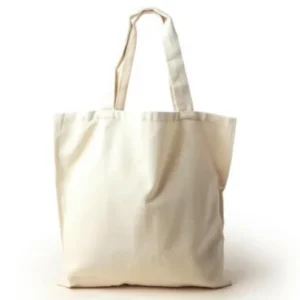
The Cotton Tote Myth: How Many Times Do You Need to Reuse Them?
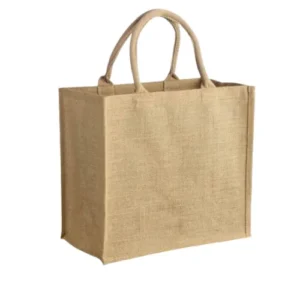
Cloth and jute bags are fashionable, sturdy, and reusable. But cotton’s footprint is surprisingly high.
- Pros: Long-lasting, reusable hundreds of times, biodegradable.
- Cons: Cotton farming is water-intensive; cotton tote bag footprint is heavy.
👉 Fact: A cotton tote needs to be reused at least 130 times before its environmental impact is lower than a single plastic bag. Jute fares better, but availability is limited.
Are Recycled Plastic Bags Truly Sustainable?
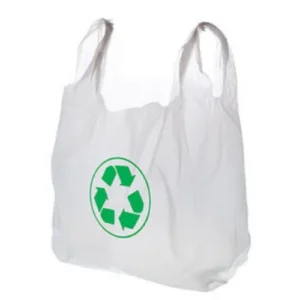
Recycled plastic (often rPET) is hailed as a solution — giving bottles and plastic waste a second life.
- Pros: Reduces landfill waste, affordable, scalable.
- Cons: Recycling is limited; most plastics are not endlessly recyclable. rPET microplastics can still shed into the environment.
So while rPET is better than virgin plastic, it doesn’t fully solve the problem of plastic pollution.
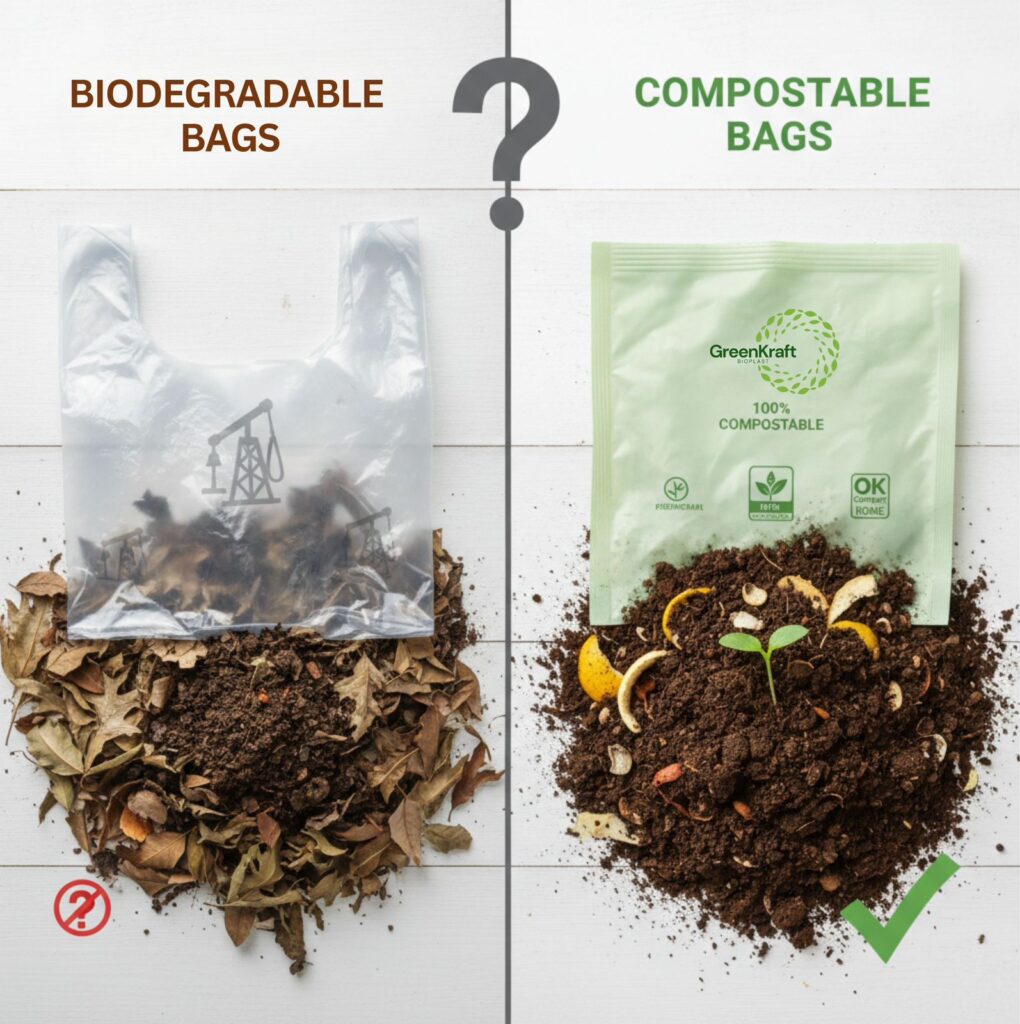
Are Biodegradable Bags Really Plastic?
Biodegradable bags often get a bad rap, but honestly — they’re not as bad as their reputation suggests. When made and disposed of properly, these bags break down faster than regular plastic and have no major negative impact on the environment.
- Pros: Lighter environmental footprint than conventional plastic, break down faster under the right conditions, help reduce litter over time.
- Cons: Some bags may not fully disappear if thrown in regular trash, and “biodegradable” labels can be confusing.
👉 Cheeky Fact: Biodegradable ≠ magic wand — they’re not a free pass to litter. But handled correctly, they’re a step in the right eco-friendly direction.
What Are Certified Compostable Bags?
Compostable bags take things one step further. Made from plant-based materials like cornstarch, they’re designed to fully decompose in composting conditions, turning into nutrient-rich soil without leaving any trace of plastic.
- Pros: Fully plant-based, zero fossil fuel plastics, break down completely into compost, safe for soil.
- Cons: Require proper disposal in compost or organic waste streams — they won’t magically compost in a landfill.
👉 Pro Tip: Look for global certifications (EN 13432, ASTM D6400, IS/ISO 17088 in India) to ensure your compostable bag is truly eco-friendly.
In short, biodegradable bags are a solid, eco-friendlier alternative to single-use plastics when disposed of responsibly, while certified compostable bags are the “gold standard” for zero-waste packaging — the right choice really depends on how you plan to use and dispose of them.
The Bigger Picture: Choosing the Right Eco-Friendly Packaging Options
Here’s the truth: there’s no one-size-fits-all hero. Each alternative has strengths and weaknesses. But when used smartly:
- Paper bags → great for short-term, low-weight use, if responsibly sourced.
- Cloth/jute bags → best when reused hundreds of times.
- rPET → a transitional solution, but not a final answer.
- Biodegradable bags → often misleading, so caution is needed.
- Compostable bags → the most future-ready option, especially with proper waste systems.
Plastic pollution is a systemic problem, and the solution lies in reducing overuse, choosing the best-fit alternative, and supporting innovations like compostable packaging.
Conclusion: Smarter Choices Over “Perfect” Ones
The fight against plastic isn’t about replacing it with a single miracle material. It’s about making informed choices, reducing dependence on plastic, and supporting solutions that truly work.
At Greenkraft Bioplast, we believe compostable packaging plays a crucial role in this transition — balancing convenience with real sustainability. Explore our range of certified compostable bags designed for shopping, garbage, nursery, and more. Together, we can build packaging that returns safely to the earth.
Biodegradable bags may still contain fossil fuel plastics and break down into smaller pieces, while compostable bags are plant-based and fully decompose into natural compost.
At least 130 times. Otherwise, its footprint can be heavier than a plastic bag.
Compostable bags should be disposed of in organic/compost waste streams. They won’t break down properly in regular landfills.